

Table of Contents
- Why Do Earbuds Hurt My Ears? Finding the Cause First
- How to Stop Earbuds Hurting Ears: A Step-by-Step Fit Troubleshooting Guide
- How to Make Earbuds More Comfortable With Better Ear Tips
- Earbud Tips for Small Ears: Sizing Without the Guesswork
- When Earbuds Keep Falling Out, Fix the Fit Not the Volume
- Build a Break and Listening Routine That Prevents Soreness
- Clean Earbuds, Less Irritation: Hygiene That Protects Your Ear Canal
- When to Stop Using Earbuds and Seek Medical Advice
- Frequently Asked Questions
Last Updated: October 18, 2026
Why Do Earbuds Hurt My Ears? Finding the Cause First
Most ear pain from earbuds comes down to three things: fit, pressure, and time. If your earbuds hurt, the cause is usually mechanical, not mysterious.
Nearly every case of earbud discomfort traces back to a fixable problem. Below, we'll show you how to stop earbuds hurting ears by working through causes in order, from the simplest fix to the ones that need a doctor.
Match the Pain Location to the Likely Cause
Where it hurts tells you a lot about why. Use this as your starting map.
| Pain Location | Likely Cause | First Fix to Try |
|---|---|---|
| Outer ear rim or cartilage | Hard shell pressing on the ear | Smaller tips or a different earbud shape |
| Ear canal entrance | Tip too large or inserted too deep | Step down one tip size |
| Deep canal soreness | Pressure buildup or long wear | Shorter sessions, lower volume |
| Itchy, flaky canal | Moisture, earwax, or irritation | Clean buds, dry ears, take breaks |
| Aching jaw or temple | Over-tight fit or headband pressure | Loosen the seal, try over-ear designs |
A common mistake is assuming all earbud pain is the same. Canal soreness and outer-ear pressure need different fixes.
How Earbud Design Changes the Pressure
In-ear buds sit inside your ear canal. That seal blocks noise but also creates pressure. Sleep headbands, like our own SleepBandZ headband, keep ultra-thin soft speakers flat against your ear so nothing pushes into the canal.

The trade-off is real. In-ear buds give the strongest noise block. Over-ear and headband styles give the least pressure. If you're a side sleeper, a headband design is often the difference between comfort and a sore ear by morning.
How to Stop Earbuds Hurting Ears: A Step-by-Step Fit Troubleshooting Guide
Work through these steps in order. Stop as soon as the pain goes away.
- Take the buds out for a full day. Let any soreness settle before you test again.
- Try the next tip size down. Most people wear tips that are too big.
- Change insertion depth. Pull the bud out slightly so it seals without pressing deep.
- Switch to foam tips. Foam molds to your canal and spreads pressure.
- Test for 30 minutes only. Note where you feel pressure.
- Swap earbud style if needed. Move to over-ear or a sleep headband.
- Shorten sessions and lower volume. Give your ears recovery time.
If the pain returns after step 6, persistent pain is a signal, not a nuisance.
How to Make Earbuds More Comfortable With Better Ear Tips
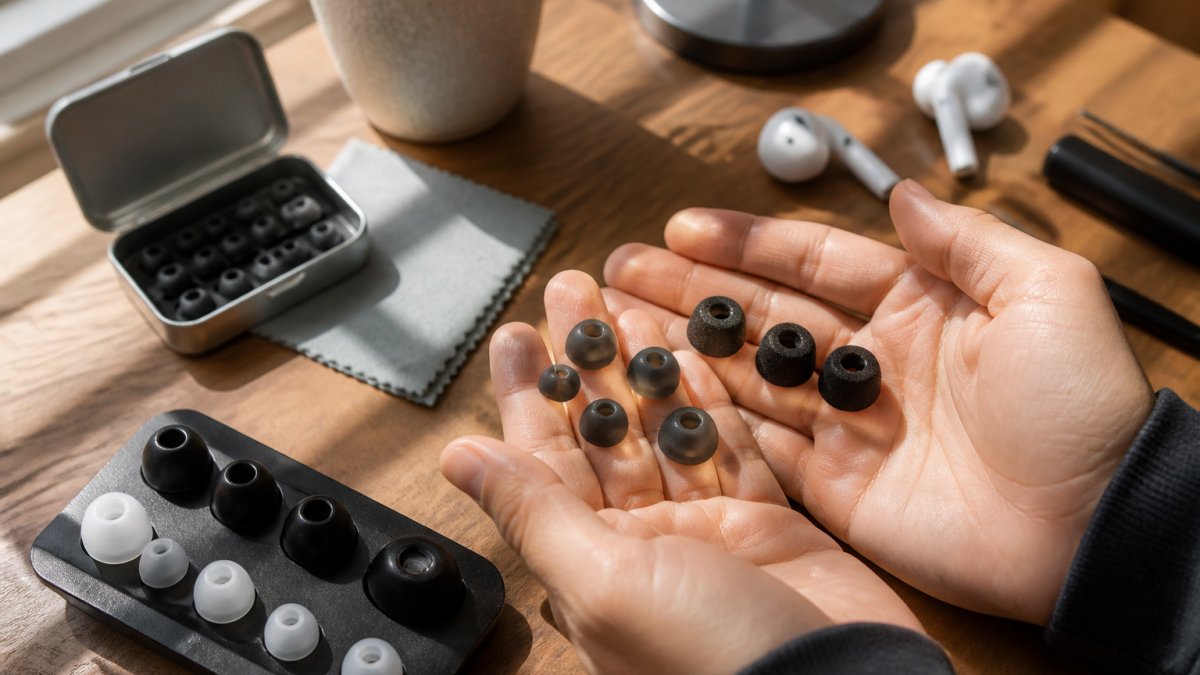
Ear tips are the cheapest, fastest fix for sore ears. The right tip spreads pressure evenly and stops the bud from shifting. The wrong one pinches the canal or slips loose, so you keep pushing it back in.
Silicone vs Foam: Which Tip Relieves Soreness Faster
Silicone tips last longer and wipe clean easily, but they press harder against the canal wall, which is why some people feel soreness within an hour. Foam tips, especially memory foam, soften with body heat and expand to fill your canal, and that spread-out contact usually feels gentler.
Here's the honest trade-off. Foam wears out faster and needs replacing more often. Silicone is durable but less forgiving on pressure.
- Choose silicone if: you want easy cleaning and your ears don't ache.
- Choose foam if: you feel pressure or soreness quickly.
- Choose neither if: even the smallest foam tip hurts. Switch to an over-ear or headband design.
Earbud Tips for Small Ears: Sizing Without the Guesswork
Small ears need small tips, and most earbuds ship with sizes that run too large. If buds feel tight or keep popping out, sizing is your problem.
Try this sizing test: insert a tip and hold it gently for ten seconds. A pinch at the canal entrance means go one size smaller; if the bud feels loose and you can hear your own footsteps, go one size up.
Many brands sell extra-small tips separately. That small purchase often ends months of discomfort.
- Start at the smallest size the buds came with.
- Move up only if the seal feels weak.
- Avoid forcing a tight tip to chase better noise blocking.
When Earbuds Keep Falling Out, Fix the Fit Not the Volume
Earbuds that keep falling out are usually the wrong shape or size for your ear, not a volume problem. Turning up the sound won't hold them in, and pushing them deeper is the fastest way to cause canal soreness. Diagnose why they're slipping and address that cause.
Diagnose Why They Fall Out
Work through these questions in order. The first 'yes' points to your fix.
- Do they feel loose from the moment you insert them? The tip is too small or the wrong material. Go to the sizing fix below.
- Do they stay in for a few minutes, then work their way out? The tip is slick from skin oils or sweat, or the shape doesn't match your ear. Clean the tips and try a different tip material.
- Do they pop out when you talk, chew, or smile? Your ear canal changes shape with jaw movement. A tip that fits at rest may not fit when you move. Try a foam tip that conforms, or add an ear fin.
- Do they fall out only on one side? Most people have slightly different ear canal sizes. Use a different tip size per ear, this is normal and common.
- Do they fall out only when you lie down? The pillow is pressing them out. No tip size fixes this; you need a design that doesn't rely on canal grip, like a sleep headband.
The Sizing Fix, Step by Step
Most people wear tips that are too large, not too small. A tip that's too big creates an unstable seal that shifts and slips. Try this sequence:
SleepBandZ Wireless Sleep Headphones →
- Start with the smallest tip the buds came with.
- Insert gently and hold for ten seconds. If you feel a pinch at the canal entrance, you're at the right size or still too big, do not go up.
- If the bud feels loose and you can hear your own footsteps or your voice sounds hollow, go one size up.
- Test each size for 30 minutes of normal activity, walking, talking, turning your head. The right size stays put through all three.
Many brands sell extra-small tips separately. That small purchase often ends months of discomfort and constant readjusting.
Grip Fixes When Sizing Isn't Enough
- Add ear fins or ear hooks. These anchor the bud against the outer ear (the concha) rather than relying on canal pressure alone. They're especially helpful if your canals are shallow or uneven.
- Switch to foam tips. Memory foam softens with body heat and expands to fill your canal, creating a grippier, more conforming seal than silicone. Foam also absorbs some skin oils that make silicone slick.
- Clean the tips. Skin oils, sweat, and earwax make silicone slick. Wipe tips with a dry cloth before each use and wash silicone tips weekly with mild soap and water.
If you've tried sizing, grip accessories, and a different design and buds still won't stay in comfortably, the issue may be your ear anatomy rather than the buds.
Build a Break and Listening Routine That Prevents Soreness
Your ears need recovery time, even when the fit is perfect. Most 'take breaks' advice is too vague to follow; a routine works only when it's tied to what you're actually doing, a long call, a workout, a night of sleep. Here's how to build one that fits your day.
Why Breaks Matter More Than You Think
In-ear buds create a sealed, warm, slightly pressurized environment in your canal. That seal blocks noise but also traps moisture and puts constant light pressure on the canal wall. Over hours, that pressure adds up to soreness even if the tip felt fine at first. Breaks let the canal decompress, dry out, and recover before irritation sets in.
The 50/10 Rule and When to Adjust It
The 50/10 rule is a solid default: listen for 50 minutes, then take the buds out for 10. But the right interval depends on what you're doing.
- Long calls or meetings: Pause every 45-60 minutes. Take one bud out during a listening-only stretch, or switch to speakerphone for a few minutes. If you're on back-to-back calls, remove both buds for the two minutes between meetings.
- Workouts: Take buds out as soon as you finish. Sweat and heat make the canal more prone to irritation, so don't linger in them post-workout. Wipe your ears dry and let them air out.
- Audiobooks and music at home: Use a timer or a playlist length as a natural break point. Stand up, take the buds out, and let your ears rest for a few minutes every hour.
A Simple Daily Template
| Time of Day | Listening Scenario | Break Habit |
|---|---|---|
| Morning | Commute or podcast | Remove buds at your destination; don't wear them into the building |
| Workday | Calls and focus music | 50/10 rule; buds out between meetings |
| Afternoon | Workout | Remove immediately after; dry ears |
| Evening | Audiobook or TV | Hourly 5-minute breaks |
| Night | Sleep | Use a non-canal design (headband or open-fit) |
Volume and Breaks Work Together
Lower volume buys you more comfortable time. The louder the volume, the harder your ear works to protect itself, and the more tired it feels. Keep volume where you can still hear someone talking nearby, and drop it a notch during long sessions, you'll often find you don't need it as high as you think.
A routine only helps if you follow it. Start with one scenario, your longest daily listening block, and build from there.
Clean Earbuds, Less Irritation: Hygiene That Protects Your Ear Canal
Dirty buds cause itchy, irritated ears. Earwax, skin oils, sweat, and moisture build up on tips and get pushed back into the canal. Clean tips weekly with a dry cloth or soft brush, and replace foam tips when they lose their spring.
A few habits keep irritation down:
- Wipe tips after every workout.
- Let buds air-dry fully before storing.
- Never share buds.
When to Stop Using Earbuds and Seek Medical Advice
Some pain needs a professional, not a tip swap. Stop using earbuds and see a doctor if you notice any of these:
- Pain that lasts more than a few days after you stop wearing buds
- Discharge, bleeding, or swelling in or around the ear
- Hearing changes, ringing, or muffled sound that won't clear
The NHS guidance on earache is clear that persistent ear pain deserves a check. And the CDC's hearing protection guidance reminds us that loud volume and long sessions add up over time.
For general safe-listening limits, the World Health Organization's safe listening guidance recommends keeping volume moderate and taking regular breaks. If you're unsure, get checked. Your hearing is worth more than any pair of buds.
Frequently Asked Questions
Why do earbuds hurt my ears after an hour or two?
Most soreness comes from pressure and friction, not from the sound itself. A tip that is too large presses against the ear canal wall, and a tip that is too small makes you push the earbud deeper to get a seal. Both cause irritation that builds the longer you listen. Skin oils and sweat add friction, and earwax trapped on the mesh can make you press harder. Start by checking tip size and insertion depth before assuming something is wrong with your ears.
Can the wrong earbud tip size cause ear pain?
Yes, and it is the most common fixable cause. A tip that is one size too big creates constant outward pressure on the ear canal, which feels like soreness at the opening. A tip that is too small slides, so you jam it in further to stay put, which irritates deeper tissue. Try the size below what you use now for a week. If the earbud now falls out, the shape of the tip is the problem, not the size, so switch to foam or a flatter silicone design.
When should I stop wearing earbuds because of ear pain?
Stop and get medical advice if you notice discharge, bleeding, swelling, a blocked or muffled feeling that does not clear, ringing that appears after listening, or pain that continues after you take the earbuds out. Also stop if the skin around the ear canal feels hot or itchy, which can point to irritation or an infection rather than a fit problem. Fit fixes should ease soreness within a few days. Pain that gets worse is a signal to put the earbuds away and see a doctor.
I'm a side sleeper and earbuds hurt when I lie down. What are my options?
Pressure against the pillow pushes a standard earbud deeper into the ear canal, which is why side sleepers feel soreness fast. Rotating the earbud so the body sits in the outer bowl of the ear helps a little, but the pressure stays. A headband-style sleep headphone with flat speakers sits outside the ear canal entirely, so nothing presses inward. SleepBandZ Wireless Sleep Headphones use ultra-thin soft speakers built into the headband for exactly this, and they cost $32.99.
Earbud pain doesn't have to be part of your nightly routine. If in-ear buds keep causing soreness, a design that stays out of your ear canal can help. SleepBandZ Wireless Sleep Headphones use ultra-thin, soft speakers built for side sleepers, with Bluetooth and USB charging for all-night listening. Block out snoring and ambient noise without pressing anything into your ears. Get started with SleepBandZ and wake up with comfortable ears and deeper rest.