

Table of Contents
- How Sleep Headbands Work and What They Actually Do
- Do Sleep Headbands Work for Better Sleep
- Key Benefits: Noise Masking, Faster Sleep Onset, and Deeper Rest
- Sleep Headbands for Side Sleepers: Design and Fit
- Sleep Headband Safety: What You Need to Know
- How to Clean a Sleep Headband and Maintain It
- Who Benefits Most from Sleep Headbands
- Frequently Asked Questions
Last Updated: October 14, 2026
How Sleep Headbands Work and What They Actually Do
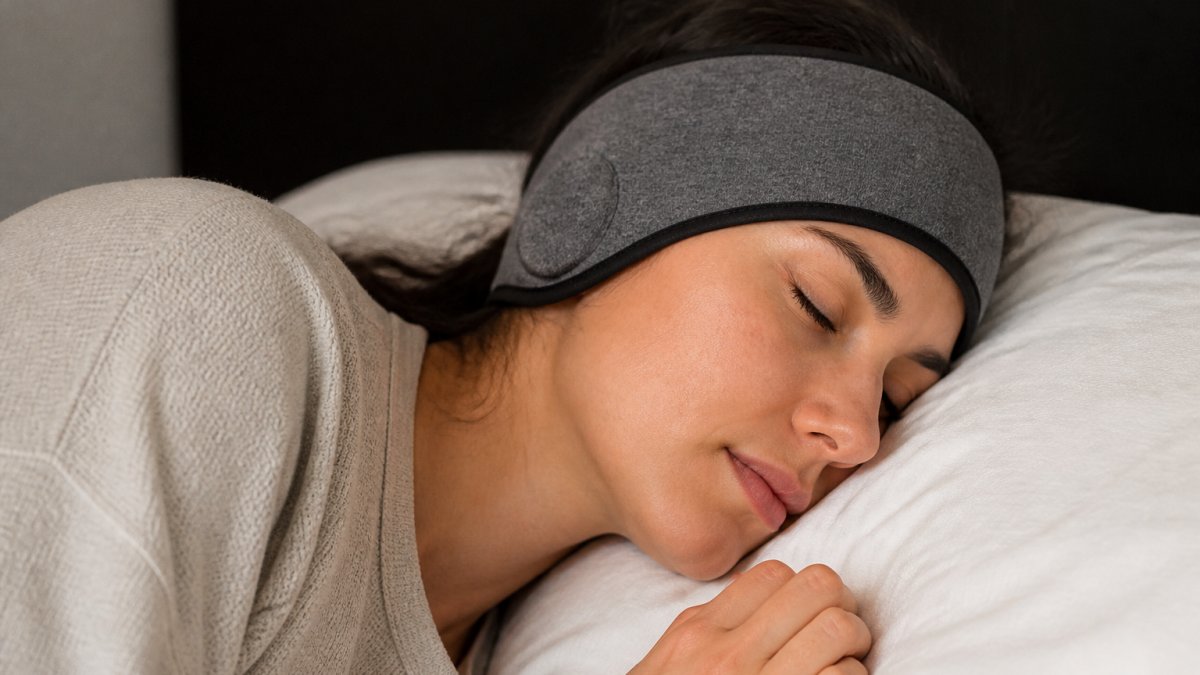
Sleep headbands are wireless headphones built into a soft, fabric band designed to be worn while you sleep. Unlike over-ear headphones or earbuds, which dig into your ears and create pressure points, sleep headbands feature ultra-thin speakers embedded directly into the headband material.
They work simply: pair the headband via Bluetooth to your phone, adjust the volume, and wear it like a regular headband. The speakers sit near your ears but don't enter the ear canal, so there's no insertion pressure. Most sleep headbands are machine-washable (check the specific model's instructions) and charge via USB.
The difference from regular headphones is the fit. When you lie on your side, a traditional headphone speaker pushes directly into your ear, creating pressure that builds over hours. Sleep headbands distribute that audio experience across the soft fabric band, so pressure is minimal and spread across a wider area of your head, which matters if you're a side sleeper or move around at night.
Do Sleep Headbands Work for Better Sleep
Whether sleep headbands improve sleep depends on your goal. To mask disruptive noise (a partner's snoring, traffic, upstairs neighbors), they can be effective because audio plays directly into your ears while keeping external sound manageable.
What sleep headbands don't do is chemically induce sleep the way medication might. They're a tool for creating a better sleep environment, not a replacement for good sleep hygiene.
The honest answer: sleep headbands work best when they solve a specific problem you actually have. If noise wakes you up, if you struggle to fall asleep without audio support, or if traditional headphones cause ear pain, a quality sleep headband can meaningfully improve your sleep. If you sleep fine in silence without comfort issues, you probably won't see a dramatic change.
Key Benefits: Noise Masking, Faster Sleep Onset, and Deeper Rest
Blocking Snoring and Environmental Noise
One of the most common reasons people choose sleep headbands is to mask disruptive noise. If your partner snores, you live near a busy street, or upstairs neighbors are loud late at night, a sleep headband lets you play white noise, brown noise, or ambient soundscapes that cover those disruptions, at a volume only you hear, so it doesn't disturb your partner.
Sleep headbands don't block noise the way foam earplugs do. They mask it by playing a competing sound that's more consistent and less jarring than snoring or traffic. White noise is steady and predictable, so your brain tunes it out; sudden noises like a snore or car horn are unpredictable and wake you up. Masking works because it removes that unpredictability.
Many people find this more comfortable than foam earplugs, which can cause ear canal irritation or pressure after hours of wear. A sleep headband sits on your head, not in your ears, so there's no insertion-related discomfort.
Audio for Relaxation and Sleep Cues
Beyond noise masking, sleep headbands let you use audio actively to support relaxation. Guided breathing exercises, progressive muscle relaxation recordings, and meditation apps all work well because the audio stays consistent throughout the night, no managing earbuds that fall out or adjusting volume as you shift positions.
Some people listen to podcasts or audiobooks as they fall asleep, then set a sleep timer so the audio stops after they drift off. Others play the same calming track every night, training their brain to associate that audio with sleep onset, audio cueing that can help you fall asleep faster over time.
The consistency matters. With traditional headphones, you're managing fit, sound quality, and physical comfort while trying to relax. With a sleep headband, once it's on, it's on, no adjustments needed.
Comfort Without Ear Pain
This benefit gets overlooked in most guides, but it's significant if you've experienced it. Sleeping with regular earbuds or over-ear headphones creates pressure on your ear canal or outer ear. After eight hours, that pressure becomes actual pain, and you're less likely to use audio to support your sleep the next night.
Sleep headbands eliminate that problem. The speakers sit near your ears but don't press into them, and the soft fabric band distributes pressure across your head rather than concentrating it on one point. For people who've given up on traditional headphones because of ear pain, this often makes audio-supported sleep sustainable.
Sleep Headbands for Side Sleepers: Design and Fit
Side sleeping is the most common sleep position, but it's also where traditional headphones fail: an earbud or over-ear speaker presses directly into your ear, creating pressure that builds over hours. A well-designed sleep headband keeps speakers near your ears without pressing into them.

The best sleep headbands for side sleepers have a flexible, non-rigid band that conforms to your head without pressure points; ultra-thin speakers that don't add bulk; and a secure fit that doesn't slip when you roll side to side. Too loose and it slides off; too tight and it creates the same pressure problem as traditional headphones.
Fit also depends on head size and adjustability. Some sleep headbands come in one size and rely on elastic; others have adjustable straps. If you have a smaller head or prefer a snug fit, check whether the headband offers that option.
Material matters too. Cotton or cotton-blend fabrics breathe better than synthetics, which matters if you sleep hot or live in a warm climate. A headband that absorbs sweat is more comfortable all night than one that traps moisture against your skin.
Sleep Headband Safety: What You Need to Know
Sleep headbands are generally safe for nightly use, but a few considerations are worth understanding before you commit.
SleepBandZ Wireless Sleep Headphones →
First, volume levels. Listening at high volume for eight hours straight can damage your hearing over time, just like any prolonged audio exposure (Impact on Hearing Due to Prolonged Use of Audio Devices: A Literature Review).
Second, hygiene. You're wearing a fabric band against your skin for eight hours a night, so sweat, skin oils, and bacteria accumulate. Most sleep headbands are machine-washable; wash them at least weekly if you wear them nightly to prevent skin irritation and odor. Check the manufacturer's instructions for your model.
Third, skin sensitivity. Some people develop minor irritation from prolonged contact with any fabric band, similar to a tight watch band. If you have sensitive skin or a history of contact dermatitis, test the headband for a few nights.
Fourth, ear health. If you have a history of ear infections or ear pain, mention sleep headbands to your doctor before using one nightly to rule out individual risk factors.
How to Clean a Sleep Headband and Maintain It
Keeping your sleep headband clean extends its lifespan and keeps it hygienic for nightly wear. Most can be hand-washed or machine-washed, but check the manufacturer's instructions for your model.
For hand washing: rinse with cool water, apply mild detergent, gently scrub the fabric and around the speaker areas, rinse thoroughly, and air-dry completely before wearing. This takes about five minutes and is gentler on the electronics.
For machine washing: Place the headband in a mesh laundry bag to protect it, use a gentle cycle with cool water and mild detergent, and air-dry completely. Do not use a dryer, as heat can damage the electronics.
Battery maintenance matters too. Most sleep headbands charge via USB; if you use yours nightly, charge it during the day. Don't let the battery completely drain before charging, which reduces long-term battery health. SleepBandZ headbands are designed for all-night battery life, but checking your battery level before bed prevents mid-sleep surprises.
Storage is simple: keep your headband in a cool, dry place when not in use. Avoid direct sunlight or a hot car, as heat can degrade the battery and speakers over time.
Who Benefits Most from Sleep Headbands
Sleep headbands suit specific situations. Understanding whether you fit them helps you decide if one is right for you.
Side sleepers who experience ear pain from traditional headphones. If regular earbuds or over-ear headphones left you with sore ears, a comfort-designed sleep headband is likely to make a real difference.
Light sleepers who need noise masking. If you live near a busy street, in an apartment with thin walls, or in a shared living space, a sleep headband creates a consistent audio environment that masks disruptions.
Podcast and audiobook listeners who want consistent audio. If you fall asleep listening to content and wake up frustrated because your earbuds fell out, a sleep headband stays in place all night, so your audio doesn't cut out when you shift positions.
Who should avoid or seek advice first: If you have a history of ear infections, severe tinnitus, or other ear health issues, mention sleep headbands to your doctor before using one nightly.
Frequently Asked Questions
Do sleep headbands really work for falling asleep faster?
Sleep headbands work by combining two mechanisms: audio playback (music, white noise, or guided breathing) can trigger relaxation and cue your brain for sleep onset, while noise masking blocks disruptive sounds like snoring or traffic. Whether they work for you depends on your specific sleep issues. If you struggle with environmental noise or need audio cues to relax, they can be effective. If your sleep problems stem from other causes (stress, caffeine, irregular schedules), a sleep headband alone may not solve them.
Are sleep headbands safe to wear all night?
Sleep headbands are generally safe for nightly use when chosen and worn correctly. The main safety considerations are: ensure the headband is not too tight (it should feel snug but not restrictive around your head), check that speakers don't press directly into your ear canal, and keep the device clean to prevent skin irritation. Some users with sensitive skin may experience mild irritation from prolonged contact; washing the headband regularly and allowing skin to breathe during the day helps prevent this. If you have ear infections, severe tinnitus, or neurological conditions, consult a healthcare provider before use.
Can a sleep headband block out my partner's snoring?
Sleep headbands can reduce the impact of snoring through noise masking: they play white noise, brown noise, or other soundscapes that cover up disruptive snoring sounds. However, they don't completely eliminate loud snoring the way foam earplugs might. The effectiveness depends on your partner's snoring volume and the headband's audio output level. Unlike traditional earplugs, sleep headbands avoid the ear pain and discomfort that can come from inserting objects deep into the ear canal, making them a more comfortable long-term solution for shared bedrooms.
How do you clean and maintain a sleep headband?
To keep your sleep headband in good condition, wipe the fabric headband with a damp cloth weekly to remove sweat and dust buildup. For deeper cleaning, hand-wash the fabric in lukewarm water with mild soap, then air-dry completely before wearing again. Never submerge the electronic components (speakers, Bluetooth module, battery) in water. Check the charging port regularly and keep it dry. Store the headband in a cool, dry place when not in use, and avoid prolonged exposure to direct sunlight or heat, which can damage the battery and speakers.
If you're ready to experience the difference a well-designed sleep headband can make, SleepBandZ Wireless Sleep Headphones are engineered specifically for side sleepers and all-night comfort. With ultra-thin, soft speakers, Bluetooth connectivity, and USB charging, SleepBandZ lets you mask noise, listen to relaxing content, and fall asleep without ear pain. Get started with SleepBandZ and discover how comfortable sleep audio can actually be.