

Table of Contents
- Why Light Sleepers Struggle With Noise (and How Sleep Headphones Help)
- What to Look for in the Best Sleep Headphones
- Sleep Earbuds for Side Sleepers: Fit, Pressure, and Comfort
- Sleep Headphones for Snoring: What Noise Reduction Can and Can't Do
- Sleep Headphones vs Earbuds: Which Suits Light Sleepers?
- Safe Overnight Listening and Long-Term Comfort
- A Decision Guide by Sleeping Position and Noise Source
- Frequently Asked Questions
Last Updated: October 19, 2026
Why Light Sleepers Struggle With Noise (and How Sleep Headphones Help)
Light sleepers wake at the smallest disturbance, and the most common culprit is a partner's snoring or ambient noise that heavier sleepers never register. Sleep headphones for light sleepers solve this by putting quiet audio close to the ear while masking the sounds that break sleep.

The mechanism is simple. Soft speakers sit against the ear inside a fabric band, playing white noise, calming music, or a podcast at low volume. That steady sound masks irregular noises like snoring, traffic, or a door closing.
What most guides get wrong is treating this as a volume problem. It isn't. A light sleeper doesn't need louder sound; they need consistent, comfortable sound that doesn't create a new problem, like an earbud digging into the ear at 2 a.m.
What to Look for in the Best Sleep Headphones
The best sleep headphones for light sleepers balance four things: comfort for overnight wear, a low-profile design, reliable Bluetooth, and realistic noise reduction. Get those right and the rest is detail. Get them wrong and the product ends up in a drawer.
Here's what actually matters when you're comparing options:
- Speaker thickness. Ultra-thin speakers sit flat against the ear so side sleepers don't feel a lump under the pillow.
- Fabric and breathability. A soft, breathable headband reduces heat buildup for people who sleep warm.
- Fit and stability. A secure fit that stays put through tossing and turning beats a loose band you adjust all night.
- Battery life. Look for all-night playback and a charging setup that doesn't wake you with alerts.
- Controls. Simple volume and playback controls you can find by touch in the dark.
A common mistake is buying on sound quality alone. For sleep, comfort and fit decide whether you actually wear the thing every night.
Sleep Earbuds for Side Sleepers: Fit, Pressure, and Comfort
Sleep earbuds for side sleepers fail for one reason: pressure. When you lie on your side, a standard earbud presses into the ear canal and the pillow pushes it deeper.
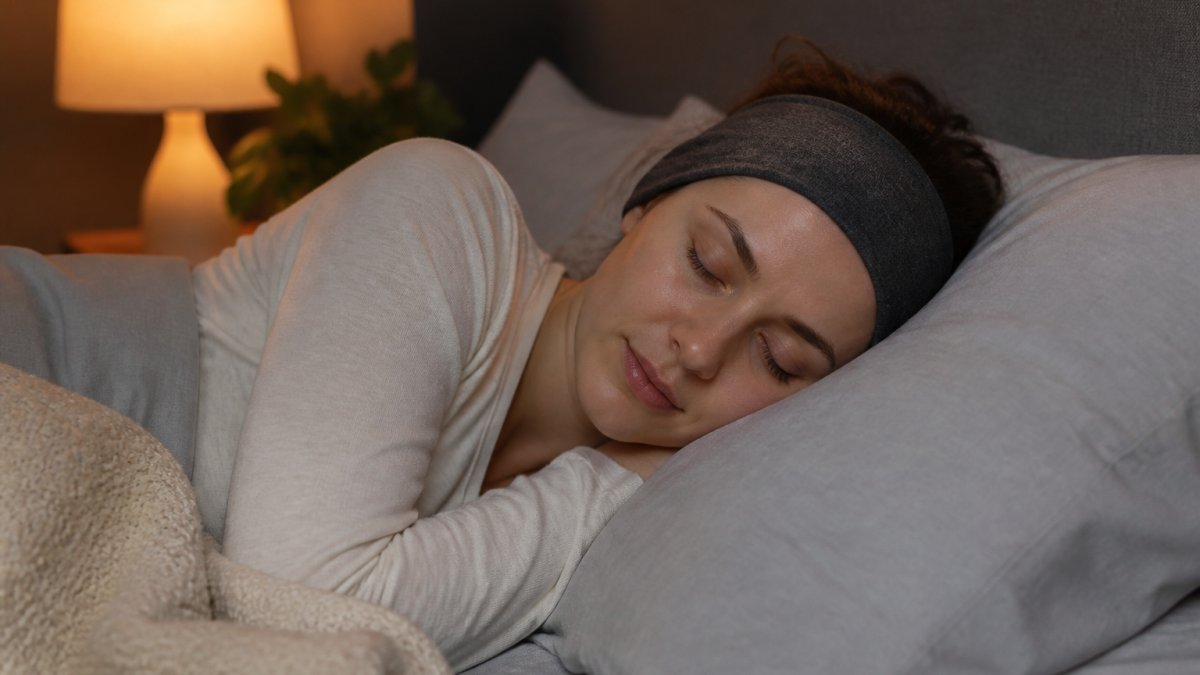
The design difference matters more than the spec sheet suggests. A low-profile headband spreads pressure across the side of the head instead of concentrating it in one spot.
Why in-ear buds create pressure points
Three forces act on an earbud overnight:
- Canal pressure. The silicone tip presses against the ear-canal wall. The canal has very little padding, so even a soft tip becomes a hot spot after 30-60 minutes of continuous contact.
- Pillow counter-pressure. A pillow pushes the earbud inward and slightly upward. The harder the pillow, the more concentrated the load.
- Jaw and ear-cartilage movement. Swallowing, clenching, and turning the head shift the earbud against the tragus and concha, creating friction that a headband avoids.
Flat-style sleep buds (the kind that sit in the bowl of the ear rather than the canal) reduce canal pressure but can still create cartilage soreness for strict side sleepers. Over-ear headbands bypass all three forces because the speaker rests against the outer ear with the pillow absorbing the load.
A practical overnight comfort test
Before relying on any pair for a full night, run this sequence:
- Afternoon nap test (20-30 minutes). Lie on the side you normally sleep on. Note any pressure within the first 10 minutes, that sensation rarely improves overnight.
- Pillow swap test. Try the same earbud or headband on your usual pillow and on a softer one. If comfort changes dramatically, the pillow is doing more work than the product.
- Two-hour evening test. Wear it while reading or watching TV in bed. This catches heat buildup and fabric irritation that a short nap misses.
- Full-night trial with a backup. Keep your old setup nearby for the first night so a bad fit doesn't cost you sleep.
Earbud styles compared for side sleeping
| Style | Canal pressure | Pillow pressure | Best for |
|---|---|---|---|
| Standard in-ear bud | High | High | Back sleepers, short use |
| Flat sleep bud | Low | Medium | Back and combo sleepers |
| Soft headband | None | Low | Strict side sleepers |
| Over-ear cup | None | High (bulk) | Not recommended overnight |
If you've tried sleep earbuds and gave up because of ear discomfort, the problem was likely the in-ear fit, not you. Headband headphones are the more comfortable path for side sleeping.
Sleep Headphones for Snoring: What Noise Reduction Can and Can't Do
Sleep headphones for snoring reduce the impact of noise; they do not eliminate it. That distinction matters. Passive noise reduction from a fabric band takes the edge off ambient sound, and masking audio covers the rest. Neither will silence a loud snorer completely.
Passive isolation vs. active noise cancellation
These are different tools, and light sleepers usually need both explained before buying:
- Passive isolation is physical. Fabric, foam, and a snug fit block some sound energy before it reaches the ear. It works best on higher-frequency sounds, a door latch, a voice in the next room, a dog barking, because those wavelengths are easier to absorb. It does very little against low-frequency rumble like traffic or a fan.
- Active noise cancellation (ANC) uses a microphone and a small processor to generate an inverse sound wave that cancels steady low-frequency noise. It is effective against engines, fans, air conditioners, and road hum. It struggles with sudden or irregular sounds because the processor needs a predictable waveform to cancel.
Snoring sits in an awkward middle. The rasp and whistle contain higher frequencies that passive isolation can soften, but the cadence is irregular, so ANC can't lock onto it. That is why masking audio, steady white noise, pink noise, or a low music bed, does more for light sleepers than ANC alone. Integrating these soundscapes into a broader nightly routine remains the most effective way to improve sleep quality while managing the unpredictable disruptions inherent to irregular schedules.
What each approach can realistically do
| Noise situation | Passive isolation | ANC | Masking audio |
|---|---|---|---|
| Partner snoring, moderate | Softens the rasp | Limited | Masks much of it |
| Traffic or street noise | Takes the edge off | Good on steady hum | Covers the rest |
| Household sounds | Good on voices and clatter | Limited | Covers with white noise |
| Sudden sharp noises | Slight | Poor | Poor, masking is the fallback |
| Fan or AC hum | Poor | Good | Good |
Matching the tool to the light sleeper's trigger
Light sleepers are not one audience. The right setup depends on what actually wakes you:
SleepBandZ Wireless Sleep Headphones →
- Woken by intermittent sounds (a partner shifting, a door, a car door outside): prioritize masking audio with a steady noise bed and a comfortable headband that stays put.
- Woken by low-level background noise (traffic, a fan, a fridge compressor): ANC helps most here, but only if the earbud or headphone stays comfortable all night.
- Woken by sudden sharp noises (a cough, a dropped object): no consumer product reliably blocks these. Masking raises the baseline so the contrast is smaller, which is the realistic goal.
Setting expectations before you buy
If snoring is severe, a conversation with your partner about sleep position or a doctor's visit is worth more than any headphone. For moderate snoring, a headband with masking audio and a low, steady volume is the most reliable combination. Avoid the temptation to crank volume, it doesn't mask better and it increases ear fatigue.
Sleep Headphones vs Earbuds: Which Suits Light Sleepers?
For most light sleepers, sleep headphones beat earbuds. The headband design avoids ear-canal pressure, stays put through movement, and feels less intrusive over a full night. Earbuds win only if you need maximum portability or prefer in-ear sound.
The trade-offs are clear:
- Sleep headphones: better for side sleepers, less ear discomfort, easier to wear all night, more fabric to wash.
- Sleep earbuds: smaller and more portable, but higher risk of pressure points and falling out.
If you move around a lot or sleep hot, a breathable fabric headband is the safer choice. If you travel constantly and need something pocket-sized, earbuds have their place.
Safe Overnight Listening and Long-Term Comfort
Safe overnight listening comes down to volume and fit. Keep the volume low, use a sleep timer if your device has one, and give your ears a break from anything pressed against them.
Long-term comfort depends on a few habits:
- Wash the headband regularly to prevent skin irritation and buildup.
- Let your ears breathe; a breathable material reduces heat and moisture.
- Check for pressure points after the first few nights and adjust speaker placement.
- Replace worn fabric or failing speakers rather than pushing through discomfort.
If you notice persistent ear pain, irritation, or ringing, stop using the headphones and speak to a healthcare professional. Comfort is the whole point; a product that causes discomfort defeats its purpose.
A Decision Guide by Sleeping Position and Noise Source
Match the product to how you sleep and what wakes you. That single step prevents most bad purchases. Use this guide:
| Your situation | Best fit | Why |
|---|---|---|
| Side sleeper, partner snores | Soft headband headphones | No ear-canal pressure, masking audio |
| Back sleeper, ambient noise | Headband or flat earbuds | Comfortable either way |
| Light sleeper, podcast listener | Headband with clear audio | Stable fit, decent sound |
| Hot sleeper, moves a lot | Breathable fabric headband | Less heat, secure fit |
| Frequent traveler | Sleep earbuds | Portable, compact |
Start with your sleeping position, then layer in your noise source. A side sleeper woken by snoring needs a low-profile headband. A back sleeper bothered by street noise has more flexibility.
For side sleepers who want one clear recommendation, SleepBandZ Wireless Sleep Headphones combine ultra-thin speakers, a soft headband, Bluetooth, and USB charging at $32.99. It's built for exactly this use case: comfortable overnight listening without ear pain.
Frequently Asked Questions
Are sleep headphones safe to wear all night?
Yes, when you keep volume low and choose a design that doesn't press into your ears. Set a sleep timer or low volume so sound doesn't play loudly for hours. Headband-style sleep headphones sit flat against the ear, reducing pressure points that earbuds can cause. If you notice skin irritation or ear discomfort, take a night off and check that the fabric is clean and breathable. For light sleepers, the goal is gentle masking sound, not loud playback.
What type of sleep headphones are best for blocking snoring?
Headband-style sleep headphones with soft speakers that sit over the ear are often the most practical for snoring. They don't seal the ear canal like foam earplugs, so they won't cause the same soreness, and they let you play white noise or sleep sounds to mask the snoring. Pair them with a consistent masking sound rather than trying to cancel the noise entirely. For light sleepers, combining a comfortable fit with steady background noise works better than relying on noise cancellation alone.
Are headband headphones comfortable for side sleepers?
They can be, provided the speakers are ultra-thin and the fabric is soft. A low-profile design keeps the speaker from pressing into your ear or temple when your head rests on the pillow. SleepBandZ Wireless Sleep Headphones are built around this idea, with soft speakers designed to be virtually undetectable while lying on your side. Fit matters: the headband should be snug but not tight, and the speakers should sit flat over the ear rather than digging in.
What are good earbuds to sleep with for light sleepers?
Look for earbuds with a low-profile shape that won't press into the pillow, soft silicone tips, and a battery that lasts through the night. Many light sleepers find earbuds less comfortable than a fabric headband because the bud puts pressure on the ear canal during side sleeping. If you try earbuds, test them for a few nights and watch for ear discomfort or heat buildup. Sleep headphones vs earbuds often comes down to whether you sleep on your side and how much pressure your ears can tolerate.
Light sleepers shouldn't have to choose between blocking noise and protecting their ears. SleepBandZ makes that choice unnecessary, with ultra-thin soft speakers, a comfortable headband designed for side sleepers, and Bluetooth with USB charging for all-night listening. If snoring and ambient noise keep breaking your sleep, get started with SleepBandZ and wake up feeling properly rested.