

Table of Contents
- Why Standard Headphones Don't Work for Side Sleepers
- What to Look for in Sleep Headband Headphones
- Sleep Earbuds for Side Sleepers: When to Choose Them
- Noise-Cancelling Headphones for Sleeping: Blocking Snoring and Ambient Noise
- How to Test Comfort Before Committing
- Common Mistakes Side Sleepers Make When Choosing Sleep Headphones
- Frequently Asked Questions
Last Updated: October 11, 2026
Why Standard Headphones Don't Work for Side Sleepers
Standard headphones create pressure points that make side sleeping uncomfortable. When you lie on your side, over-ear models press hard against your ear, and traditional earbuds dig into the canal. The result: ear pain, headaches, or constant adjustment throughout the night.
Sleep headband headphones solve this by using soft materials, distributing pressure evenly, and staying in place without squeezing.
What to Look for in Sleep Headband Headphones
Sleep headband headphones move speakers away from your ear canal into a soft headband that wraps around your head, eliminating pressure when lying on your side.
Ultra-thin speaker design
The best headphones for side sleepers feature ultra-thin, flat speakers that you barely notice when lying on your side. Thick speakers create lumps in the headband that feel uncomfortable against your pillow. Look for speakers that are less than a quarter-inch thick.
The flexible headband molds to your head shape, which separates effective sleep headphones from ones abandoned after two nights.

Secure fit without pressure
A secure fit uses elastic materials that stretch gently and adjustable sizing to stay in place without squeezing.
Test by lying on your side and moving your head; the headphones should move with you. A headband sitting about half an inch above the ear typically works best.
Battery life for all-night use
All-night battery life means at least eight hours of continuous playback. Many claim longer life but deliver only 4-6 hours in real use, so test before committing.
Look for models that charge within two hours so you can top them up during your evening routine.
Sleep Earbuds for Side Sleepers: When to Choose Them
Sleep earbuds use small, lightweight designs with soft silicone tips that conform to your ear shape, sitting in the canal with minimal pressure.
Sleep earbuds offer portability but sit in the ear canal, causing discomfort for some after eight hours.
Fit Guidance for Different Ear Shapes and Sizes
Not all ears are the same, and fit is the primary reason side sleepers succeed or fail with earbuds. Before choosing sleep earbuds, assess your ear anatomy:
Ear canal depth: Shallow canals (less than 20mm) often feel incompatible with standard earbuds. Look for "shallow fit" or "small-ear" models with shorter stems and smaller tips that sit closer to the ear opening, reducing pressure during side sleeping.
Ear canal width: Narrow canals require smaller tip sizes. Start with the smallest size and work up only if loose. A slightly loose fit is more comfortable than a tight seal that creates pressure.
Ear shape and tragus size: The tragus is the small cartilage flap that partially covers your ear canal opening. If you have a prominent tragus, standard earbuds may press uncomfortably against it when you lie on your side. In this case, look for earbuds with angled or offset nozzles that direct the speaker away from the tragus. Some sleep earbud models are specifically designed with this geometry in mind.
Concha depth: The concha is the bowl-shaped part of your outer ear. If your concha is shallow, earbuds may not sit securely without a tight seal. Shallow-concha ears often do better with earbuds that include ear loops or stability fins, small wings that hook over the top of your ear to anchor the earbud without relying solely on canal fit.
Fit Troubleshooting for Side Sleepers
If you've tried sleep earbuds and found them uncomfortable, work through these steps:
-
Test different tip materials. Silicone tips are standard, but some sleep earbuds offer memory foam tips that conform more gradually to your ear shape. Memory foam is gentler for overnight wear because it applies less initial pressure while still creating a seal.
-
Experiment with insertion depth. You don't need a deep seal for sleep. Try inserting the earbud just until you feel a light seal, not as deep as you would for active listening. This reduces pressure while still blocking ambient noise effectively.
-
Check for pressure points during side sleeping. Lie on your side for 15 minutes with the earbuds in. If you feel pressure or discomfort, try a smaller tip size or a different earbud model. Pressure that emerges after 15 minutes will become painful after 8 hours.
-
Assess whether your ear canal is the real issue. If every earbud model causes discomfort after a few hours, your ear canal may be too sensitive for in-ear devices overnight. In this case, a sleep headband is the better choice, regardless of portability preferences.
Noise-Cancelling Headphones for Sleeping: Blocking Snoring and Ambient Noise
Noise-cancelling headphones for sleeping serve a specific purpose: blocking out disruptive sounds like snoring, traffic, or roommate noise without requiring loud volume. Many people assume noise cancellation means active noise cancellation (ANC), which uses microphones and sound waves to cancel external noise. For sleep, passive noise isolation often works better.
Passive isolation means the physical seal of the headphones blocks sound naturally. This approach doesn't require power-hungry electronics, so battery life stays strong. For side sleepers, passive isolation combined with soft materials creates the ideal sleep environment.
Active noise cancellation can work for sleep, but it requires power and sometimes produces a slight pressure sensation in your ears. If you choose ANC headphones, test them for at least a week before deciding. Some people find the sensation relaxing; others find it distracting.
White noise and ambient sounds work alongside noise isolation. Many people use sleep headphones to play white noise, rain sounds, or podcasts that mask disruptive noise while helping them relax. This combination, physical isolation plus intentional sound, creates the most effective noise blocking for sleep.
Safe Volume and Hearing Health for Overnight Listening
Wearing headphones for 8+ hours continuously raises an important concern: hearing damage and ear irritation. The World Health Organization recommends keeping personal audio devices below 85 decibels for extended listening.
To find a safe volume, play white noise or ambient sound at a level where you can still hear someone speaking in a normal voice nearby. If you have to raise your voice to be heard over the headphones, the volume is too high for overnight use.
Continuous pressure from in-ear devices can also cause ear canal irritation, especially after 8 hours. Signs include itching, redness, or mild pain that emerges after several nights of use.
Moisture buildup inside the ear canal is another concern for overnight listening. Sweat and humidity can create an environment where bacteria or fungi thrive, leading to infection.
If you have a history of ear infections, earwax buildup, or sensitive ears, consult a healthcare provider before using in-ear sleep headphones. A headband-style model is often the safer choice for these situations, since it avoids direct ear canal contact entirely.
How to Test Comfort Before Committing
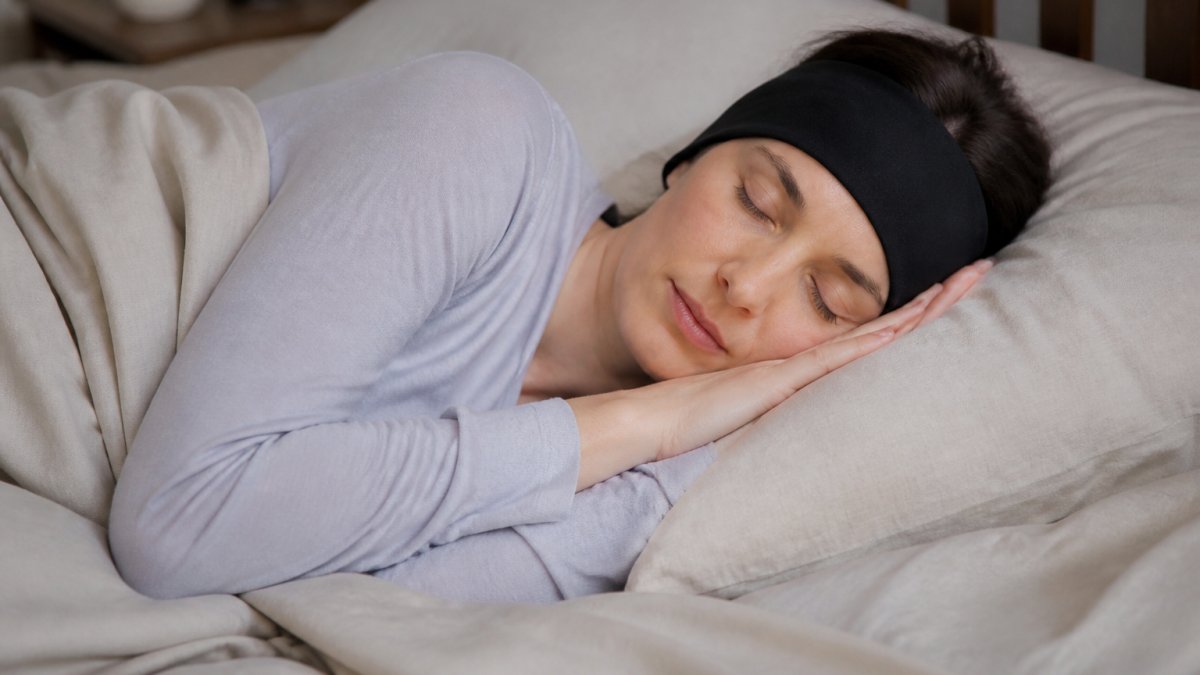
Real comfort testing takes more than five minutes. Lie on your side in your actual sleep position for at least thirty minutes while wearing the headphones. Pay attention to pressure points, ear discomfort, and whether the headphones stay in place.
Test during different times of day, not just at bedtime. Morning testing shows how they feel when you're fresh; evening testing shows how they feel when you're tired and less tolerant of discomfort.
Check the headband material directly against your skin. Some materials irritate skin after extended wear; others stay comfortable. If possible, wear them while reading or working, not just lying down, to get a fuller sense of how they'll feel during sleep.
Battery life testing matters too. Use them for a full night and note the battery percentage when you wake up. This real-world test shows whether the claimed battery life matches actual use. Some headphones drain faster when playing audio compared to when they're idle.
Common Mistakes Side Sleepers Make When Choosing Sleep Headphones
The biggest mistake is choosing based on features rather than fit. Side sleepers often focus on battery life, noise cancellation, or sound quality and ignore the one thing that matters most: whether the headphones cause ear pain after eight hours.
Another common error is buying the cheapest option without testing comfort first. Budget sleep headphones often use harder materials and thicker speakers that feel fine for thirty minutes but become uncomfortable overnight. The money saved upfront costs you in sleep quality and returns.
Many side sleepers also underestimate the importance of secure fit. Headphones that slip off during the night force you to adjust them repeatedly, which breaks sleep. A secure fit that doesn't create pressure is harder to find than loose, comfortable headphones, but it's essential.
Finally, side sleepers often skip the return policy. If you can't test headphones for at least two weeks, you can't truly assess comfort. Some discomfort emerges only after several nights of continuous wear.
The right headphones for side sleepers eliminate ear pain, stay in place all night, and deliver the sound you need to relax. With Bluetooth connectivity and USB charging, SleepBandZ helps you block out snoring and ambient noise while enjoying podcasts, white noise, or calming music. Get started with SleepBandZ and experience the comfort that comes from headphones designed for how you actually sleep.
| Feature | Why It Matters for Side Sleepers |
|---|---|
| Ultra-thin speaker design | Prevents lumps that create pressure points when lying on your side |
| Soft headband material | Stays comfortable against your pillow throughout the night |
| Secure fit without squeezing | Stays in place without tightening as you move and roll over |
| All-night battery life | Plays continuously for 8+ hours without mid-sleep charging |
| Passive noise isolation | Blocks snoring and ambient noise without power-hungry active systems |
Frequently Asked Questions
Can you sleep on your side with headphones on?
Yes, but only with headphones specifically designed for side sleepers. Standard over-ear headphones or traditional earbuds create pressure, cause ear pain, and slip out of position when you lie on your side. Sleep headband headphones with ultra-thin speakers are built to sit comfortably against your ear without digging in, making them ideal for side sleeping. The key is choosing a design that distributes pressure evenly across the headband rather than concentrating it on your ear canal.
Can headphones block out snoring while you sleep?
Headphones can reduce snoring noise through passive isolation (soft speakers creating a seal) or active noise cancellation, but they won't eliminate all sound. Noise-cancelling headphones for sleeping work best when combined with white noise or calming audio playing at a moderate volume. This masks snoring rather than blocking it completely. For significant snoring disturbance, pair your headphones with sleep sounds or ambient noise apps to create a consistent audio environment that makes snoring less noticeable.
Are sleep earbuds comfortable for side sleepers?
Sleep earbuds can work for side sleepers if they have soft silicone or memory foam tips that adjust to your ear shape and don't create pressure. However, many side sleepers find that earbuds still create discomfort when lying on their side because they push into the ear canal. Sleep earbuds for side sleepers perform better when designed with smaller, flatter profiles and flexible tips. Headbands with integrated soft speakers often feel more comfortable for all-night side sleeping because they distribute weight across your head rather than into your ears.
What makes sleep headphones different from regular headphones?
Sleep headphones are engineered with comfort as the primary goal rather than sound quality or features. They use ultra-thin, soft speakers that don't press into your ears, lightweight headbands that won't cause neck strain, and secure fits that stay in place when you move. Battery life is designed for 8+ hours of continuous use. Regular headphones prioritize audio performance and often have rigid designs that cause ear pressure and pain during extended side sleeping.